
contemporary mirrors
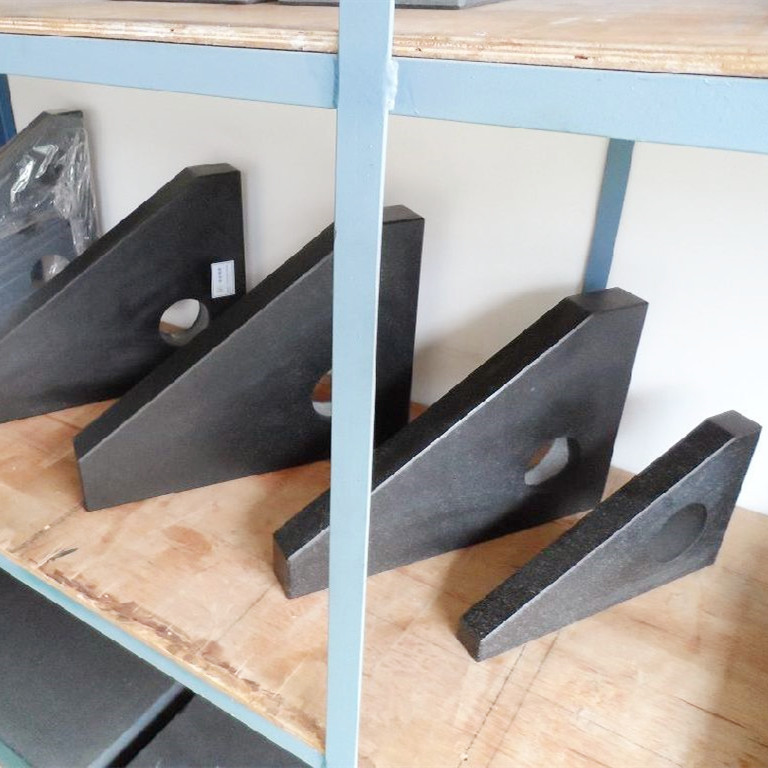
Understanding the Granite Angle Plate An Essential Tool in Precision Machining Granite angle plates are integral components in the field of precision machining, serving as indispensable tools for a wide range of measuring and setup tasks. Known for their durability, stability, and accuracy, granite angle plates are often utilized in workshops and laboratories where precision is paramount. This article delves into the characteristics, applications, advantages, and maintenance of granite angle plates, highlighting why they are favored by professionals in various industries. What is a Granite Angle Plate? A granite angle plate is a tool typically made from solid granite, which is a type of igneous rock known for its hard and dense structure. These plates come in various sizes and are designed with right angles, allowing them to be used as reference points for measuring, aligning, and supporting workpieces. The flat surfaces of the angle plate provide a stable foundation, ensuring that measurements taken during machining processes are precise and repeatable. Characteristics of Granite Angle Plates 1. Stability Granite is inherently stable and does not warp or deform over time, making granite angle plates exceptionally reliable over prolonged use. 2. Resistance to Wear The hard surface of granite is resistant to scratches and wear, which is crucial in maintaining the accuracy of the measuring surfaces. 3. Non-Magnetic Unlike metal plates, granite angle plates do not interfere with magnetic measuring tools, making them suitable for a wide range of applications. 4. Thermal Stability Granite has a low coefficient of thermal expansion, which means that it maintains its dimensions even under varying temperature conditions. 5. Excellent Surface Finish The polished surfaces of granite angle plates provide high precision and are easy to clean, which is particularly important in maintaining measurement accuracy. Applications Granite angle plates find usage in numerous applications across various industries. Some common uses include - Inspection and Measurement Granite angle plates are often employed in quality control environments to inspect the dimensions of machined parts. The straight edges and stable surfaces allow for easy setup and measurement. - Machining Setup In CNC machining and manual milling operations, granite angle plates serve as a base for securely holding components at required angles. - Tapering and Alignment These plates aid in the alignment of workpieces for processes like grinding and drilling, ensuring that operations are performed at exact angles. granite angle plate - Layout Work Engineers and machinists use granite angle plates for laying out complex shapes and ensuring that all dimensions are accurate before proceeding with machining . Advantages of Using Granite Angle Plates The utilization of granite angle plates provides several benefits - High Precision The durability and stability of granite enable high accuracy in measurements, which is critical in industries such as aerospace and automotive. - Longevity Given their resistance to wear and environmental factors, granite angle plates have a long lifespan, making them a cost-effective investment for many businesses. - Easy Maintenance Cleaning a granite surface is straightforward and requires minimal effort, ensuring that contaminants do not affect measurement accuracy. - Versatility These plates can be used for various applications across different industries, from simple setups to complex measuring tasks. Maintenance of Granite Angle Plates To ensure the longevity and accuracy of granite angle plates, proper maintenance is essential. Here are some key maintenance tips - Regular Cleaning Clean the surfaces with a soft cloth and non-abrasive cleaners. Avoid harsh chemicals that may damage the granite. - Protection from Strikes Use precautions to protect the plates from physical impacts that could chip or damage the surface. - Storage Store granite angle plates in a clean, dry place, ideally in a dedicated storage case to prevent dust accumulation and potential damage. - Frequent Calibration Regularly check the accuracy of the angle plate using calibrated instruments to ensure it meets the required precision standards. Conclusion In summary, granite angle plates stand out as a vital tool in the precision machining industry. Their unique properties, such as stability, resistance to wear, and non-magnetic characteristics, make them exceptionally suitable for various applications. By understanding their uses and maintaining them properly, professionals can leverage the advantages offered by granite angle plates to achieve the highest standards of accuracy and efficiency in their work. Whether in manufacturing, inspection, or engineering, granite angle plates remain an essential asset in ensuring quality and precision.
about
contemporary mirrors
Understanding Plain Ring Gages A Comprehensive Overview Plain ring gages are essential tools in the field of manufacturing and quality control, serving a critical role in ensuring the accuracy and precision of various components. These gages are used primarily to measure the outside diameters of cylindrical objects and can be found in a variety of industries including automotive, aerospace, and general manufacturing. A plain ring gage typically features a simple, circular design with a precise internal diameter that corresponds to a specific size. The primary function of these gages is to provide a go/no-go measurement for parts that need to conform to specified diameters. This means that a part that fits into the “go” side of the gage is considered acceptable, while one that does not fit is rejected. This binary assessment is crucial in maintaining tight tolerances and ensuring the overall quality of manufactured products. One of the significant advantages of using plain ring gages is their simplicity in design and ease of use. Operators can quickly determine whether a component meets the required specifications without the need for complex measurements or calculations. This efficiency saves both time and resources on the production line. Moreover, because plain ring gages do not rely on electronic components, they are often more durable and require less maintenance than more sophisticated measuring devices. plain ring gages Plain ring gages are made from high-quality materials, such as hardened steel or carbide, to withstand wear and tear during repeated use. These gages are meticulously manufactured to ensure that their dimensions are accurate and consistent. In many cases, the accuracy of a plain ring gage can be certified, allowing manufacturers to rely on them as trustworthy measurement tools. The calibration of plain ring gages is paramount. Regular checks and recalibrations ensure that they provide reliable measurements over time . Organizations often follow stringent processes to ensure that their gages remain within tolerance limits. Documentation of calibration history is also essential for quality assurance purposes, particularly for industries that are heavily regulated, such as aerospace or medical manufacturing. In addition to the basic “go/no-go” functionality, plain ring gages can be utilized in various applications, such as checking the internal diameter of a hole when used in conjunction with other tools. They can also come in different tolerances, offering manufacturers the ability to select gages that best suit their specific requirements. In conclusion, plain ring gages are invaluable tools for maintaining the precision and quality of manufactured components. Their straightforward design, ease of use, and reliability make them a staple in many industries. By understanding the function and importance of these gages, manufacturers can better ensure that their products meet the highest standards of excellence. As industries continue to evolve and demand for accuracy grows, the role of plain ring gages will remain critical in achieving robust quality control processes.
-

High quality industrial productsagement

High quality industrial products
View Details -

Meet the diverse needs of customers

Meet the diverse needs of customers
View Details -

Strict quality control

Strict quality control
View Details -

Top raw materials

Top raw materials
View Details -

Trusted supplier

Trusted supplier
View Details
Our application

news and information

Why All Metal Valves Solutions Last Longer in Harsh Environments
In industrial applications where extreme temperatures, corrosive chemicals, and high pressures are c

Wood Connectors and Brackets for Building Strong and Durable Wooden Structures and Projects
Brackets for Connecting Wood An Essential Tool for Any Woodworking Project When it comes to woodwork
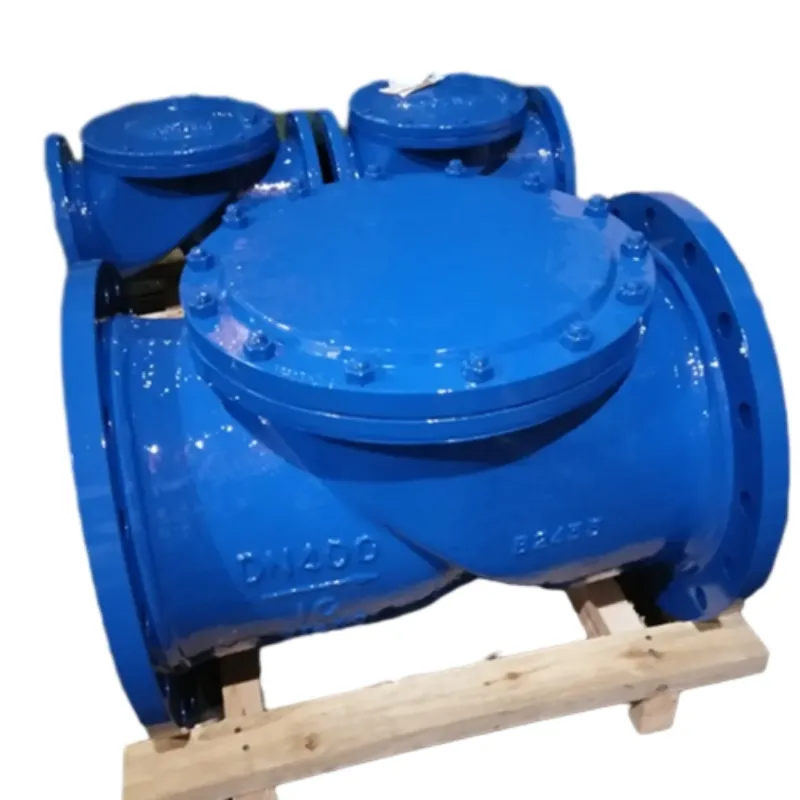
Valvole a farfalla efficienza e utilizzo nei sistemi industriali moderni
La Valvola a Farfalla Un Elemento Chiave nei Sistemi di Controllo dei Fluidi La valvola a farfalla è
 English